


Precision Tin Plating for Reliable Industrial Performance

We provide precision tin plating for industrial components requiring reliable solderability, low contact resistance, corrosion protection and dependable surface performance across electrical and engineering applications.

Tin Plating for Reliable Electrical and Surface Performance

At Smart Microns, we provide tin electroplating for metallic components used across electrical and engineering applications. Tin coatings are commonly selected to improve solderability, provide low contact resistance, protect against corrosion and support anti-galling requirements.

In the tin electroplating process, a layer of tin is deposited onto the surface of another metal through electrodeposition. An electric current passes through an electrolyte containing tin ions, causing them to adhere to the component and form the plated coating.

Tin plating is suitable for components where reliable electrical contact, soldering performance and surface protection are important. It can also provide anti-galling properties and be used as a stop-off coating during the nitriding of high-strength steels.

Why Choose Smart Microns for Copper Plating

Our tin plating supports components that require dependable solderability, low contact resistance, corrosion protection and improved surface performance.

Reliable Solderability

Creates a surface that facilitates soldering in electrical and electronic components.

Low Contact Resistance

Supports dependable electrical contact across suitable component applications.

Corrosion Protection

Helps protect the underlying metal against corrosion under suitable service conditions.

Anti-Galling Performance

Reduces surface friction and helps prevent galling between contacting metal parts.

Support for Specialised Processing

Can serve as a stop-off coating during the nitriding of certain high-strength steel components.
Engineered for Critical Industrial Applications

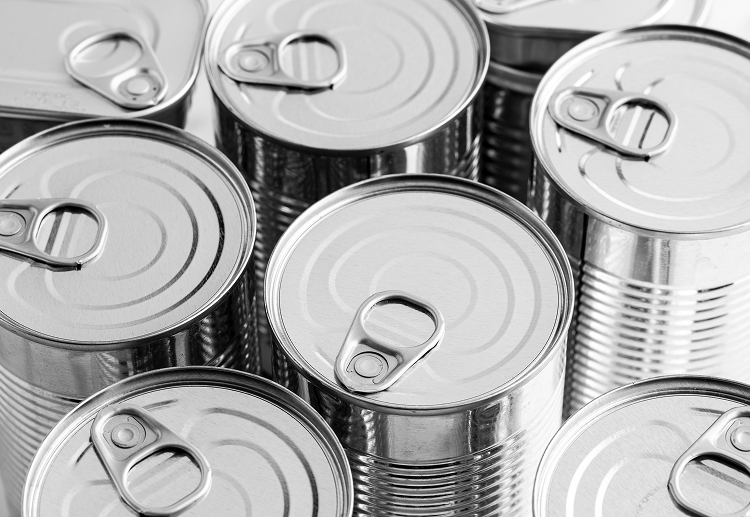
Tin plating is suited for metallic components requiring solderability, electrical contact performance, corrosion protection or anti-galling properties.

Common Applications

Tin Plating Across Functional Industrial Applications

Based on the established uses of tin electroplating, the following industries can be considered for this page, subject to confirmation that Smart Microns currently serves them:

Tin Plating Technical Capabilities

Explore our silver plating capabilities across coating thickness, purity, tolerances, applicable specifications, compatible base materials, finishes, underplates and post-treatments.
Capability Highlights Service Specifications
Thickness Range 0.3–30 Microns 0.3 to 30 microns
Purity 99.9% Pure Silver 99.9% pure silver
Tolerance Capability 25 Micro Inches 25 micro inches
Applicable Specifications AMS · ASTM · QQ-S AMS 2410
AMS 2411
AMS 2412
ASTM B700
QQ-S-365
Customer-Specific Specifications

Compatible Base Materials

Ferrous Materials

Cuprous Materials

Aluminium Materials

Specialised Materials

Finish, Underplate and Treatment Options

Precision-controlled gold plating with configurable thickness, material compatibility, finish options and specification-driven quality assurance.

  • Matte Deposits
  • Semi-Bright Deposits
  • Bright Deposits
  • Bright Electrolytic Nickel
  • Copper
  • Brass
  • Electrolytic Anti-Tarnish Treatment
  • Electroless Anti-Tarnish Treatment

FAQs

Silver electroplating is the process of depositing a thin layer of silver onto another metal, most often copper or nickel, using an electric current and an electrolyte solution containing dissolved silver ions.

We offer silver plating in thicknesses ranging from 0.3 to 30 microns, with tolerance capability of 25 micro inches.

We can plate mild steel, stainless steel, copper, copper alloys, brass, nickel-silver, aluminium alloys and specialised materials such as Inconel, Kovar, Monel, cobalt-chrome and lead.

We offer matte, semi-bright and bright silver finishes. Available underplates include bright electrolytic nickel, copper and brass.

Our silver plating capabilities support AMS 2410, AMS 2411, AMS 2412, ASTM B700, QQ-S-365 and customer-specific specifications.