
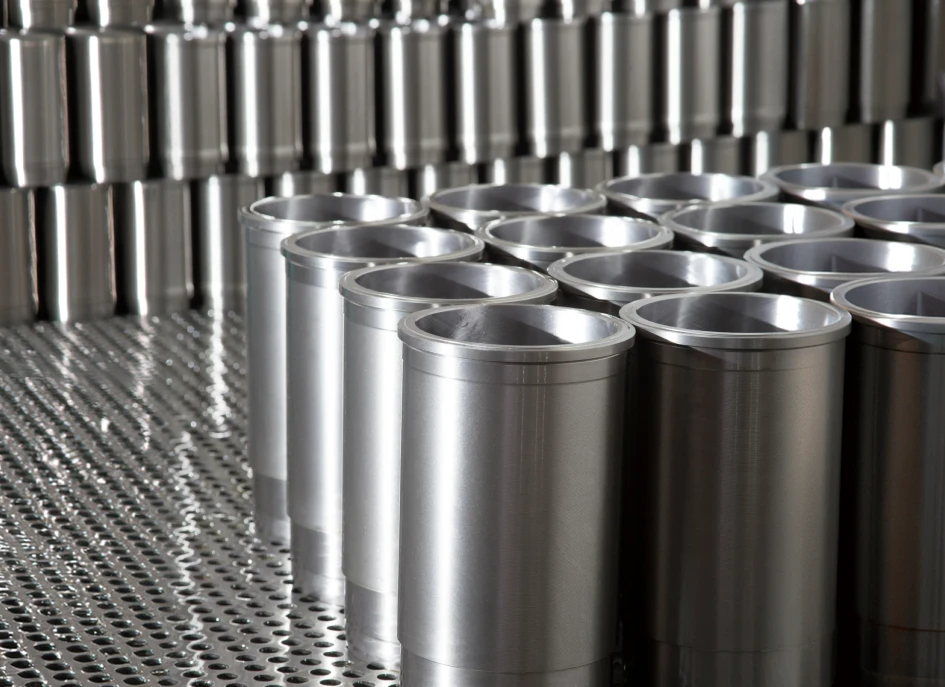
Plating Methods Matched to Every Component Requirement
The Right Plating Method for Every Component
Different components require different approaches to achieve the required coverage and finish. At Smart Microns, we provide Rack Plating, Barrel Plating and Selective Plating for varying component sizes, geometries, volumes and functional requirements.
Our experienced team evaluates the component and required finish to determine the appropriate method, from custom racks for complex parts to rotating barrels for high-volume production and selective techniques for coating only specific areas.
Rack Plating
Precision Plating for Complex and Fragile Components
Rack plating is used for components that are large, fragile or geometrically complex and cannot be effectively processed through other methods. Each component is secured to a rack using metal hooks or bands before being immersed in the plating solution and exposed to an electrical current.
The fixed positioning of each part allows better control over the plated surface. Rack plating can also support selective or partial coating requirements. For components with complex geometries, auxiliary anodes or robbers may be used to help achieve the required coverage.
Our experienced team can engineer custom racks based on the component geometry and the finish required to meet demanding specifications.
Best suited for
- Complex Components
- Fragile Components
- Large Components
- Components Requiring Controlled Positioning
- Selective or Partial Coating Requirements
- Components with Demanding Finish Specifications
Compatible Materials
- Aluminium
- Steel
- Stainless Steel
- Nickel-Silver
- Copper Alloys
Plating Services Supported
- Gold Plating
- Silver Plating
- Copper Plating
- Bright Nickel Plating
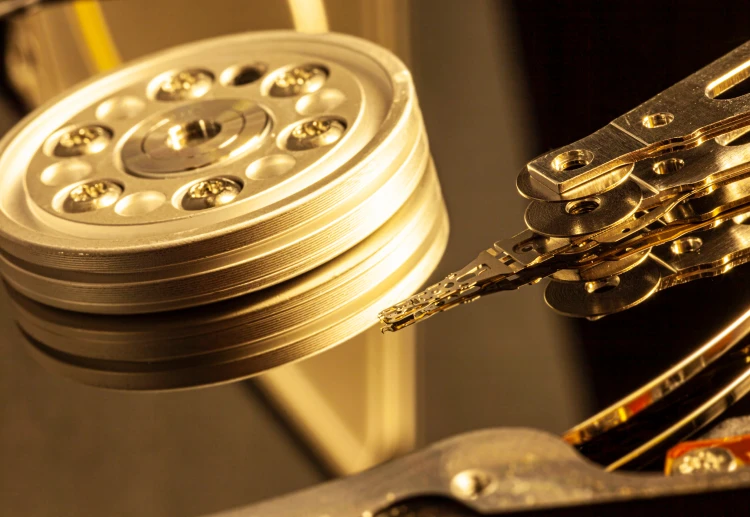
Barrel Plating
Consistent Plating for High-Volume Components
In barrel plating, components are placed inside a barrel that rotates slowly while immersed in the plating solution. The rotation allows the parts to move continuously within the barrel, helping them receive consistent and uniform coating.
Electrical contact is established using danglers or centre bars positioned inside the barrel. This method is recommended for high-volume requirements and can accommodate a variety of component shapes, sizes and metals.
For larger or more fragile components, rack plating may be the more suitable option.
Best suited for
- High-Volume Production
- Small Components
- Components with Similar Shapes and Sizes
- Batch Plating Requirements
- Components Requiring Consistent Coverage
Compatible Materials
- Steel
- Brass
- Copper Alloys
Plating Services Supported
- Gold Plating
- Silver Plating
- Copper Plating
- Bright Nickel Plating
Barrel Plating Capabilities
- Semi-Automatic Barrel Plating Line
- Manual Barrel Plating Line

Selective Plating
Plating Only Where Performance Is Required
Selective plating deposits metal only on specific areas of a component while allowing the remaining surface to stay unplated. It is suitable for parts that require plating only in functional locations or have multiple zones with different coating or thickness requirements.
By avoiding unnecessary plating on non-functional areas, selective plating can help reduce precious-metal usage and associated costs.
Best suited for
- Components with Specific Functional Areas
- Parts Requiring Partial Plating
- Components with Multiple Functional Zones
- Areas Requiring Different Coating Thicknesses
- Applications Requiring Reduced Precious-Metal Usage
Selective Plating Methods
- Controlled Depth
- Customised Fixtures and Jigs
- Masking with Plater’s Tape
- Masking with Chemical Lubricants

Choosing the Right Plating Method
Match the Method to the Requirement
| Plating Method | Best Suited For | Key Advantage |
|---|---|---|
| Rack Plating | Complex, fragile and larger components | Controlled positioning and custom rack support |
| Barrel Plating | High-volume batches of smaller components | Consistent coating across multiple parts |
| Selective Plating | Components requiring coating only in specific areas | Reduced unnecessary plating and precious-metal usage |
Find the Right Method for Your Plating Requirement.
Share your component material, geometry, quantity and finish requirement with our team. We will help identify the appropriate plating method for your application.